What it is
Bill proposes tax breaks for pensioners returning to Spain
It is a members’ bill. Introduced by parliamentary groups, the Senate, regional governments or citizens. It was introduced on 22 March 2018. Introduced by: Grupo Parlamentario Confederal de Unidos Podemos-En Comú Podem-En Marea.
Official title: Private member's bill regarding the situation of returned emigrant pensioners.
Source: Congreso de los Diputados, file 122/000216· updated 11 Nov
Automatic summary, not yet reviewed
- The bill would make pensions for absolute permanent disability or severe disability recognized in any European Union country exempt from personal income tax The personal income tax (IRPF in Spain): what people pay on what they earn from work, business or savings., just like those recognized in Spain.
- It would create a new period to regularize foreign pensions that were not declared, without surcharges, interest or penalties: from the law's entry into force until December 31, 2019.
- It would require the Tax Agency to refund, on its own initiative, surcharges, interest and penalties already paid for this reason, even final ones, and to include EU pensions in draft tax returns and tax data.
- It would allow people with tax debts from foreign pensions to request a deferral or installment plan of up to 60 months, without providing a guarantee.
- It would launch an information campaign by the Tax Agency so people learn about these measures.
- The Ministry of Finance could issue the rules needed to apply the law, which would enter into force the day after its publication in the Official State Gazette.
Who it affects
- Pensioners who worked abroad and have returned to Spain: They could regularize undeclared foreign pensions without penalties and defer their debts for up to 60 months.
- Pensioners with absolute permanent disability or severe disability recognized in an EU country: Their pensions would be exempt from personal income tax, as if recognized in Spain.
- People who already paid surcharges, interest or penalties on these pensions: The Tax Agency would have to refund those amounts on its own initiative.
Words worth knowing
- IRPF
- Impuesto sobre la Renta de las Personas Físicas: Spain's personal income tax, paid on income such as pensions and wages.
- Regularizar
- To bring a tax situation up to date by declaring income that was not declared when it should have been.
- Recargo
- An extra amount added to a tax debt for filing late or not paying on time.
- Condonación
- Forgiveness of a debt or penalty: the administration stops demanding it.
- Aplazamiento o fraccionamiento
- A deferral or installment plan: paying a debt later or in parts instead of all at once.
- income tax
- The personal income tax (IRPF in Spain): what people pay on what they earn from work, business or savings.
It summarizes the text as it was introduced. It is written by artificial intelligence and may contain mistakes: the official text is what counts. Read the official text · How we make summaries
Where it stands
How far did it get?
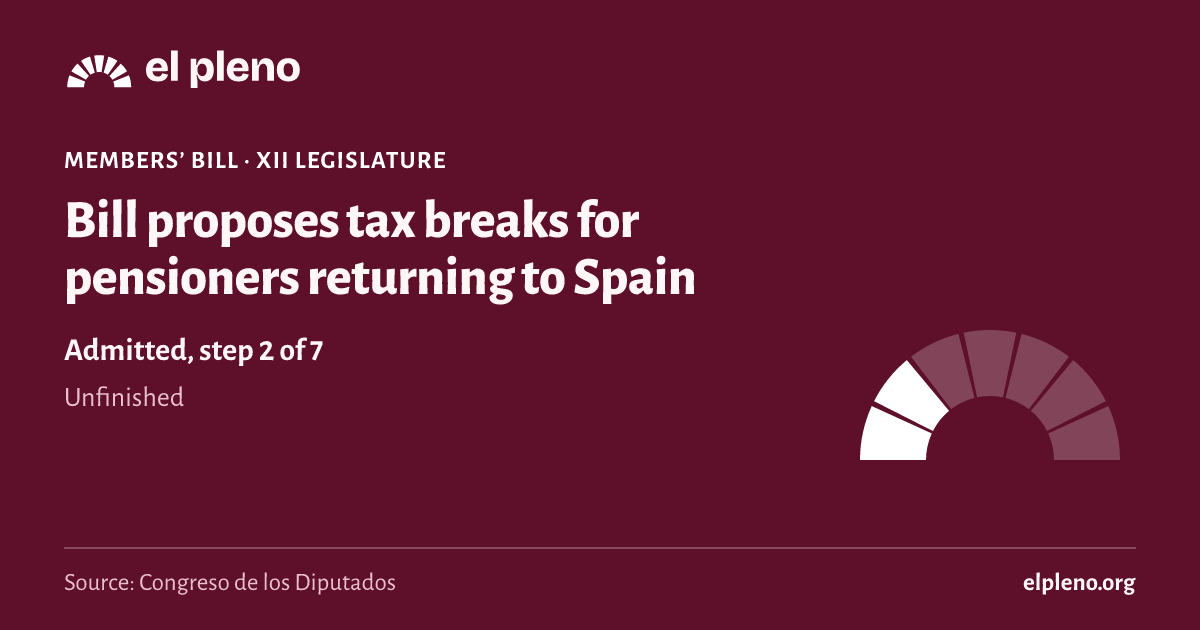
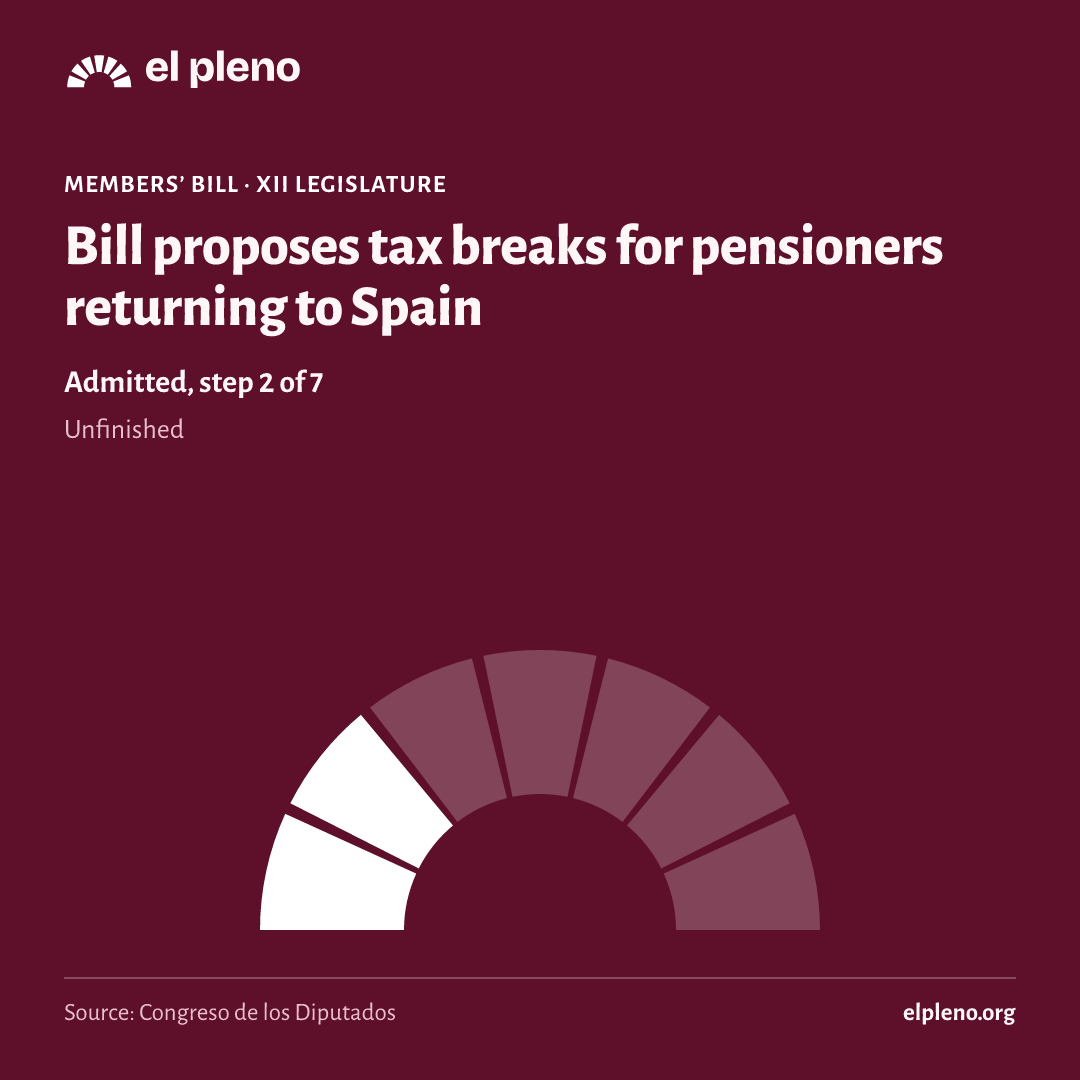
It took 2 of 7 steps. It reached Admitted, and today it is unfinished.
- Introduced22 March 2018Someone registers the text in the Congreso.
- Admitted2 April 2018The Bureau of the Congreso accepts it and, for a members’ bill, the plenary decides whether to consider it.
- Amendmentsnot reachedGroups propose changes.
- Committeenot reachedA committee goes through the text in detail.
- Plenarynot reachedAll 350 deputies vote.
- Senatenot reachedThe Senate can pass it, amend it or veto it.
- BOEnot reachedIt is published in the Official State Gazette (BOE) and comes into force.
See the 6 official steps on a timeline
Was there a plenary vote?
We have no plenary vote linked to this law in the Congreso’s data.
What happens next
What happens now?
The legislature ended before it finished. To go on, someone would have to introduce it again in the new Cortes.
It has not been presented again yet.
Sources
Where does all this come from?
- Congreso de los Diputados, file 122/000216
Official title, type, author, dates and stage.
Retrieved 11 November 2026
- The data comes from the open files of the Congreso, the Senate and the BOE, unaltered.
- Each deputy’s province is the one of their seat on the day of the vote.
- We only say “passed” or “rejected” when the majority needed is certain; otherwise we say which side had more votes.